Pemvidutide

What is Pemvidutide*

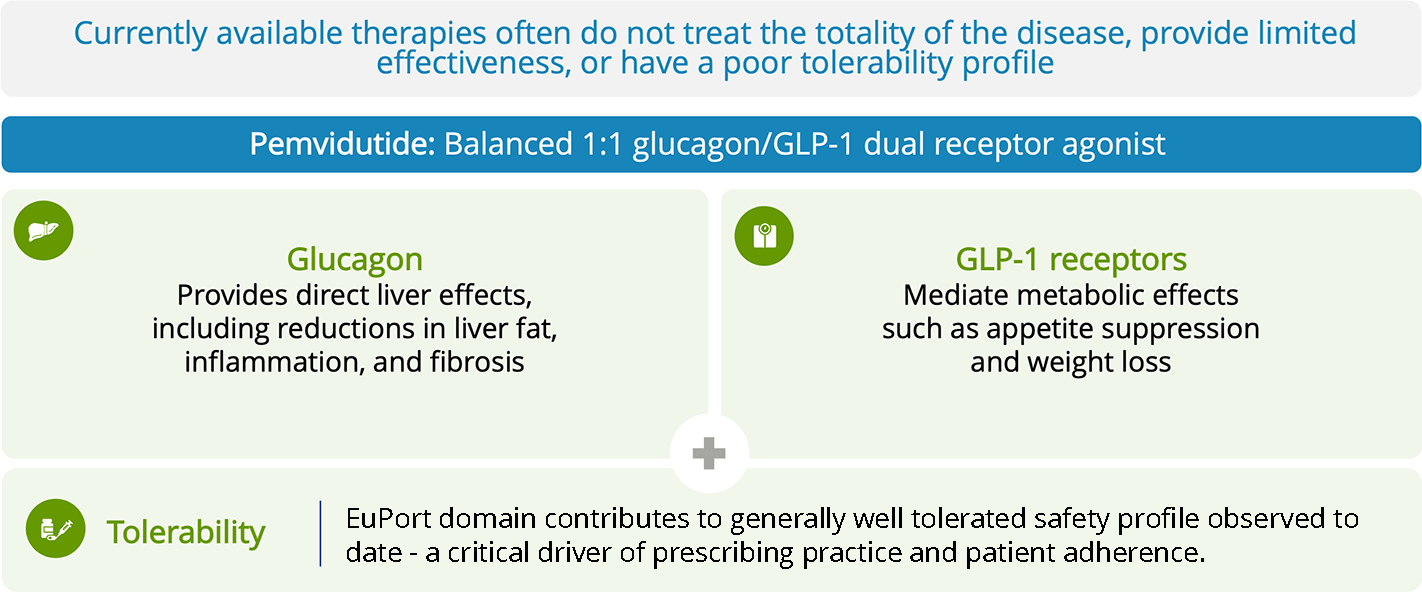
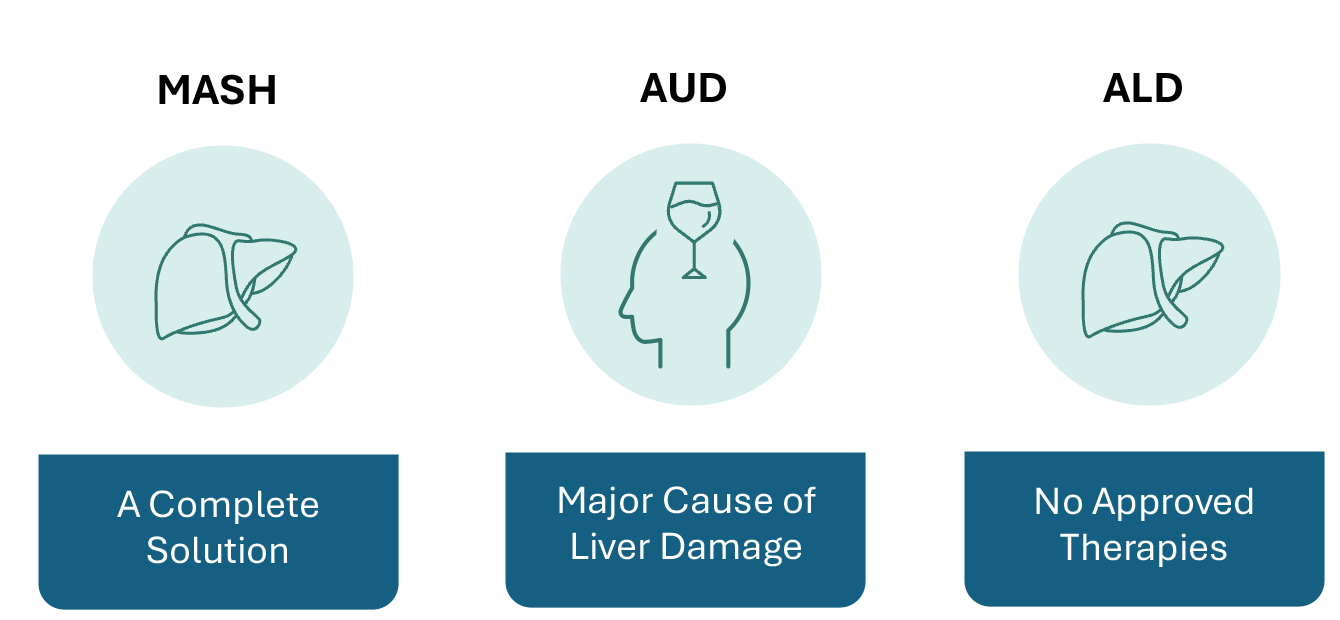
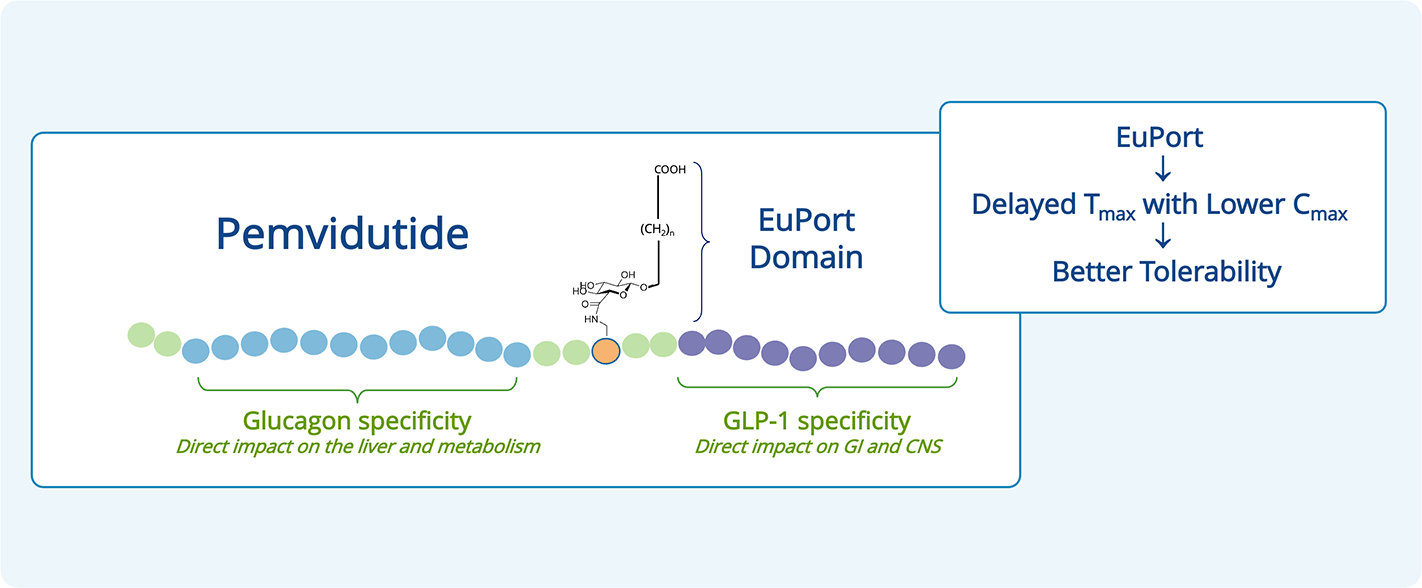
Pemvidutide is a novel, investigational peptide with balanced 1:1 glucagon/GLP-1 dual receptor agonist activity, in development for the treatment of metabolic dysfunction-associated steatohepatitis (MASH), alcohol use disorder (AUD) and alcohol-associated liver disease (ALD). The activation of glucagon receptors results in direct effects on the liver, including reductions in liver fat, inflammation and fibrosis, while GLP-1 receptor agonism mediates effects such as appetite suppression and weight loss, proven to have significant cardiometabolic benefitsi. The proprietary EuPort domain prolongs serum half-life and leads to controlled absorption, which allows for weekly dosing and may reduce gastrointestinal side effectsii.

The U.S. Food and Drug Administration granted Fast Track designations to pemvidutide for the treatment of MASH and AUD, as well as Breakthrough Therapy Designation for MASH.

Pemvidutide was evaluated in the 48-week IMPACT Ph 2b trial in MASH, which demonstrated statistically significant MASH resolution without worsening of fibrosis in up to 58% of patients, against 20% in placebo at 24 weeks. Non-invasive tests (NITs) including Enhanced Liver Fibrosis (ELF); PRO-C3; ALT (Alanine aminotransferase); MRI-PDFF (Magnetic Resonance Imaging-Proton Density Fat Fraction); FibroScan®; and cT1, and measures of combined NITs supported the resolution of MASH and were consistent with reductions in liver fibrosis. After 48 weeks of treatment, NITs of liver fibrosis were further improved compared to those seen at 24 weeks. Measures of combined NITs, a stringent measure of antifibrotic activity, showed that the proportion of patients achieving both a ≥0.5 reduction in ELF and a ≥30% reduction in Liver Stiffness Measurement (LSM) at week 48 was 3.2% with placebo, compared with 27.8% for pemvidutide 1.2 mg (p<0.001) and 32.4% for pemvidutide 1.8 mg (p<0.0001). The drug demonstrated a generally well tolerated safety and tolerability profile without dose titration leading to improved adherence, with a discontinuation rate of 1%, which was lower than placebo.

The PERFORMA Phase 3 trial, a multinational, randomized, double-blind, placebo-controlled, parallel-group registrational study of pemvidutide in patients with MASH has been initiated and is actively enrolling patients.

The RECLAIM Phase 2 trial in AUD reported positive topline results in July 2026, demonstrating the potential of pemvidutide for the treatment of AUD.

The RESTORE Phase 2 trial in ALD was initiated in July 2025, enrollment is now complete, and topline data are expected in the second half of 2027.
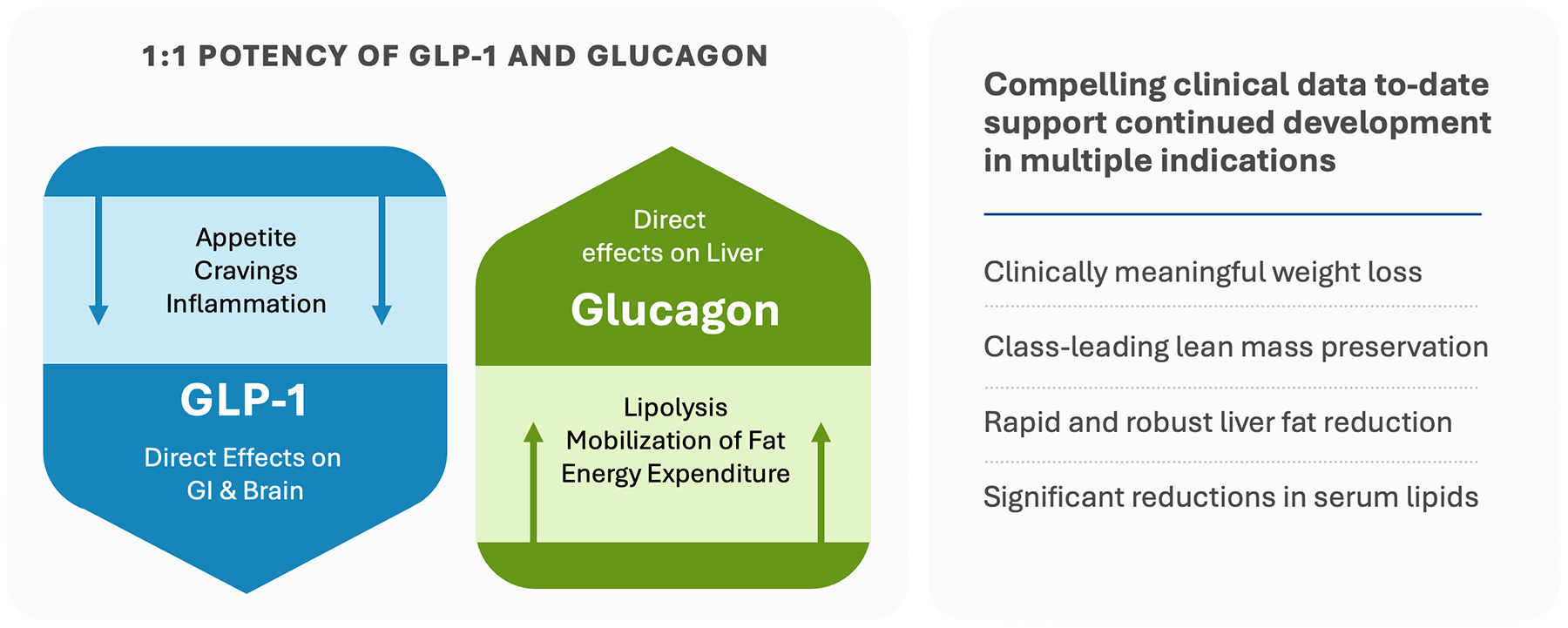
POTENCY OF GLP-1 AND GLUCAGON
For more information

The Molecule Matters

The Molecule Matters

Pemvidutide Being Studied for the Treatment of MASH

It is estimated that ~30 million people in the United States will have MASH by the year 2030. Excess liver fat can cause chronic inflammation, often leading to fibrosis and eventually liver cirrhosis and increased risk for cardiovascular disease. Furthermore, >80% of MASH patients are overweight or obese. Therefore, effective MASH treatments should target reductions in inflammation and other cardiometabolic risk factors, fibrosis improvement, and weight loss.

Our IMPACT Phase 2b MASH trial was conducted in approximately 190 patients with and without diabetes. The key endpoints are MASH resolution and fibrosis improvement measured by biopsy after 24 weeks of treatment, with patients followed for an additional 24 weeks for assessment of safety and additional non-invasive measures of biomarker responses.

The trial met the primary endpoint of MASH resolution after 24-weeks of treatment and showed signs of fibrosis improvement at this early time point. After 48-weeks of treatment significant improvements in non-invasive markers of liver inflammation and fibrosis along with improvements in metabolic measures and weight loss were observed. Pemvidutide also produced meaningful improvements in cardiometabolic risk factors including lipids, body weight, and blood pressureiii. The drug demonstrated a generally well tolerated safety and tolerability profile without dose titration leading to improved adherence, with a discontinuation rate of 1%, which was lower than placebo. These outcomes support advancement of pemvidutide into the PERFORMA Phase 3 trial in MASH.

Pemvidutide Aims to Address Both the Cause and Consequence of Serious Liver Diseases

Pemvidutide: Addressing Both the Cause and Consequence of Serious Liver Diseases

Early Effect on MASH + Tolerability Observed at 24 Weeks

icon 1
Rapid and significant reductions in liver fat and markers of inflammation, with early MASH resolution
icon 2
Weight loss with no evidence of plateauing at 24 weeks
icon 3
Trending improvement of fibrosis as measured by biopsy data
icon 4
Results from key NITs showed strong evidence of clear antifibrotic activity with pemvidutide
icon 5
Generally well tolerated safety profile with a low discontinuation rate
icon +
Full 24-week safety and efficacy data published in The Lancet

Topline Results Achieved at 48 Weeks

icon 1
Further improvements in NITs including antifibrotic activity in ELF and LSM (Fibroscan)
icon 2
Established clear dose response with strong 1.8 mg performance observed on all evaluated parameters, including additional weight loss
icon 3
Maintained significant positive impact on early measures of inflammatory markers associated with fibrosis improvement and MASH resolution
icon 4
Maintained low discontinuation rate and generally favorable tolerability profile

For details on the 48-Week IMPACT Phase 2b MASH Trial results, click here

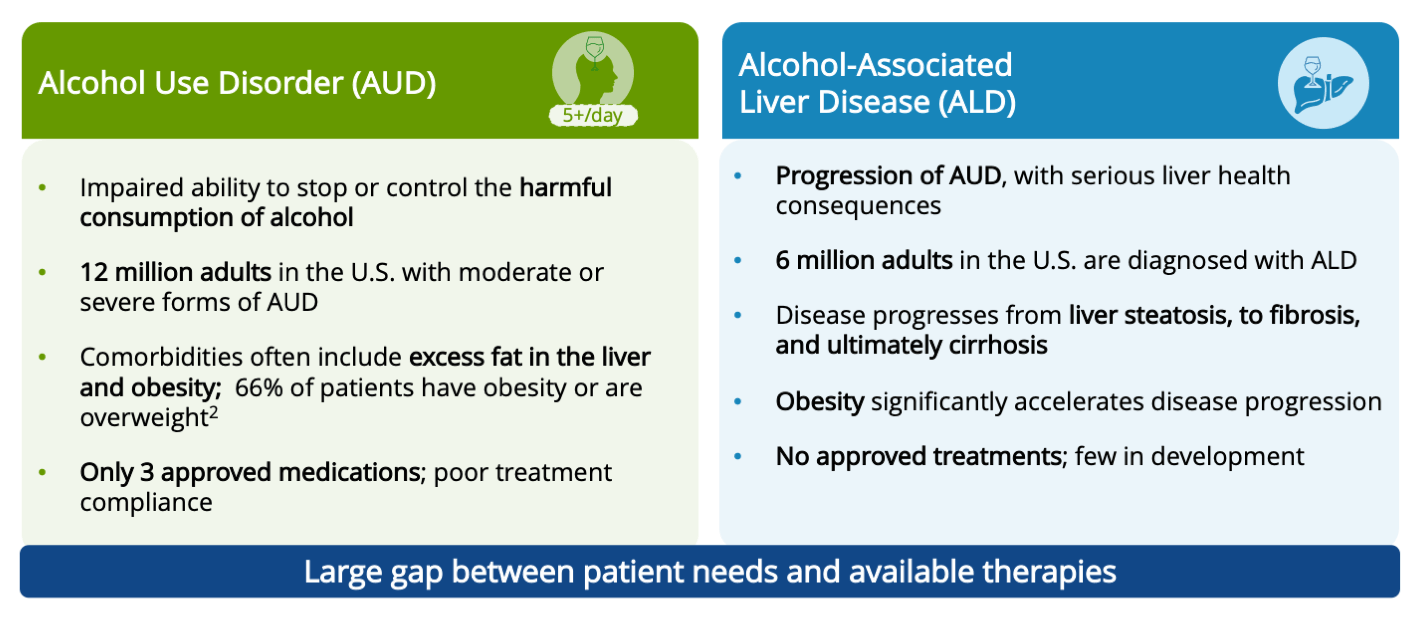
Pemvidutide for the Treatment of Alcohol Use Disorder (AUD) and Alcohol-Associated Liver Disease (ALD)

Exploring Pemvidutide’s Potential in Other Progressive Liver Diseases

RECLAIM, a Phase 2 trial in AUD, reported positive topline results in July 2026.  RESTORE, a Phase 2 trial in ALD was initiated in July 2025, with a key Phase 2 trial readout anticipated in 2027.

Summary

Pemvidutide represents a differentiated approach to the treatment of serious liver diseases like MASH, AUD and ALD. The balanced glucagon and GLP-1 activities of pemvidutide along with the clinical data observed to date support its continued investigation as a potential treatment for MASH, AUD, and ALD and their related comorbidities.

Pemvidutide Vision: Transformational Therapy Across Multiple Indications
For more information